Windswept Heights, Confident Steps in Pembrokeshire
Today we explore clifftop safety and weather planning in Pembrokeshire, highlighting wind‑smart gear and sheltered snack spots that keep spirits high when the Atlantic breathes hard. You will learn to read fast‑changing skies, match paths to gusty forecasts, and find calm, lee‑side nooks for restorative breaks. Expect practical packing advice, movement skills, and local know‑how. Share your favorite shelters and gear tips, subscribe for future coastal insights, and help fellow walkers travel wisely across these dramatic edges.

Westerlies, Headlands, and Hidden Turbulence
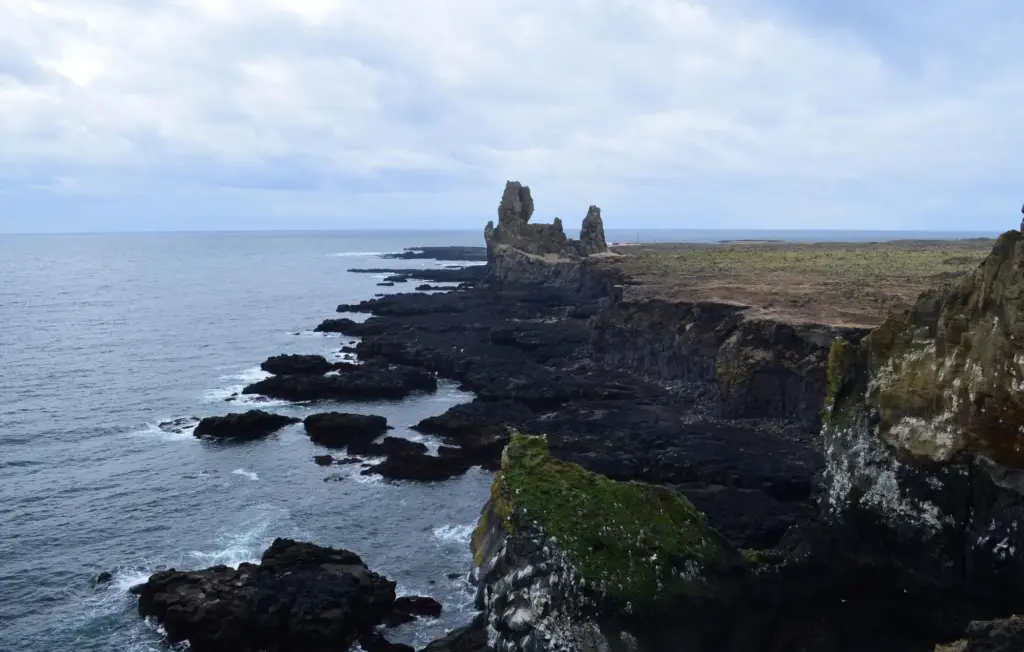
Prevailing westerlies often strike Pembrokeshire first and fiercest, with headlands magnifying speeds and sudden crosswinds. Ridges produce rotors that can lurch you sideways, while coves and saddles funnel blasts like bellows. Notice shelter on one side of a path and buffeting on the other—tiny terrain shifts matter. When gusts spike beyond comfort, step down to broader ground, put poles to work, and tighten layers before re‑entering exposed sections.

Forecast Tools That Truly Help

Combine the Met Office forecast, inshore waters updates, and live rain radar to anticipate shifts. Compare sustained wind against gust potential, not just headline speeds, and note direction relative to your chosen headlands. A simple barometer trend and cloud observation—lowering ceilings, thickening cumulus, sharpening edges—adds texture no app alone delivers. Screenshot key data, pack a backup power bank, and treat forecasts as guides you refine with eyes, ears, and footsteps.

The Wind‑Smart Kit That Earns Its Place

Gear should quiet the day’s chaos, not add to it. Choose a breathable windproof shell, a warm midlayer that insulates when damp, and a moisture‑managing base. Keep a hat that stays put, grippy gloves, and clear or lightly tinted eye protection for spindrift. Pack a compact bothy bag, sit pad, and a wide‑mouth flask for heat on demand. Prioritize low‑profile packing to reduce sail effect, and practice quick, glove‑friendly adjustments.

Choosing Routes and Exits on Blustery Days

Route choice is your greatest safety tool. Match wind direction to coastline shape, preferring sections that keep you in the lee rather than hammered by repeated cross‑gusts. Keep short links to inland tracks as pressure valves, and mark sheltered valleys where hedgebanks and gorse break the blast. Know bus connections and car‑to‑car options to avoid forced returns along exposed edges. Plan generous turnaround times and carry confidence, not bravado, into every decision.

Match Direction to Coastline Shape

An onshore gale feels different from a quartering crosswind. Study map contours and headland alignment, imagining where wind will gather speed or stall. A clockwise loop may feel calm while the anticlockwise version becomes punishing. Use bridges, gaps, and reentrants thoughtfully; they can become gust funnels. Try shorter, linked segments during uncertain forecasts, banking small wins and bailing early if the environment overwhelms attention, traction, or group energy.

Know Your Retreats, Gates, and Buses

Mark gates, stiles, and inland rights‑of‑way that cut exposure quickly if conditions worsen. Seasonal coastal buses can transform logistics, turning a risky out‑and‑back into a safe point‑to‑point. Photograph car park noticeboards with timings and emergency contacts. When choosing parking, think exit strategy: which lot gives the most alternatives if the wind swings? Keep a simple cue card with stops and times in a drybag so you are never scrolling frantically in rain.

Set Turnaround Points With Light and Tide

Even on clifftops, tide and swell influence spray and path wetness, adding chill and slipperiness. Pair your daylight window with a realistic pace, padding in breaks for photos and snack shelters. Decide turnaround points before you start, and stick to them unless conditions dramatically improve. A fifteen‑minute early return often feels like a well‑timed victory when gusts stiffen. Share your plan with companions so expectations align and decisions remain calm.
Finding Lee‑Side Comfort Without Trespass
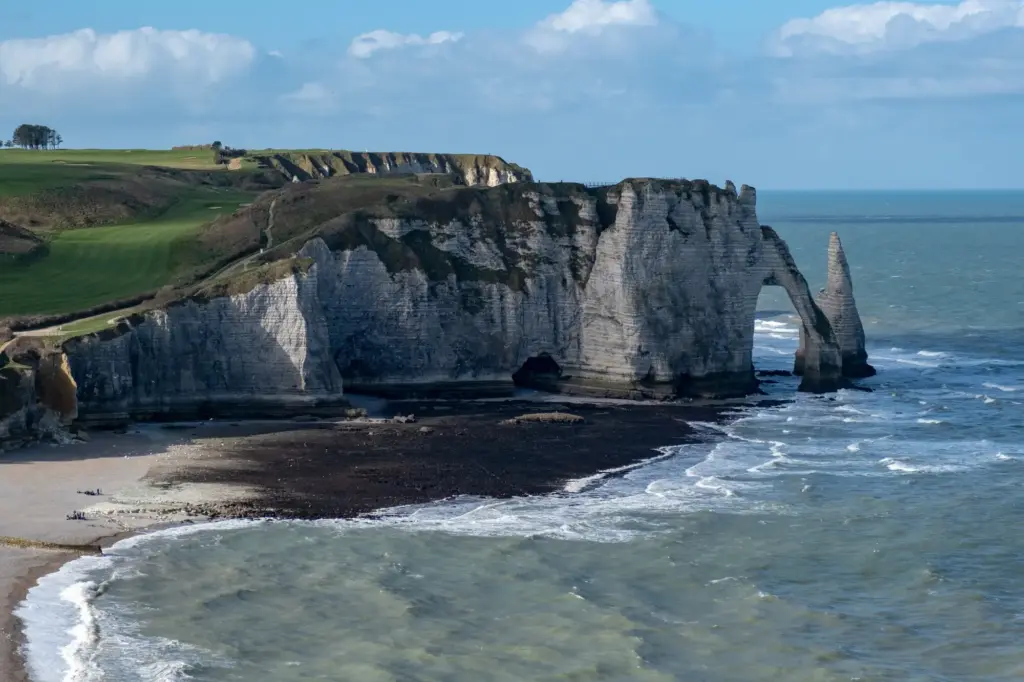
Respect access while seeking calm. Step off the path only where ground is firm and clearly open to walkers, never onto crumbling lip edges or private gardens. Look for natural windbreaks—gorse thickets, banked hedges, rock outcrops—then sit low, feet braced, pack blocking sneaky eddies. Keep hoods cinched so steam does not fog glasses. Before leaving, check for wrappers that tried to take flight and carry every crumbly trace home.

Food and Drink That Lift Spirits

Hot, slightly salty soup outperforms sweet drinks in wind‑chilled conditions, while chewy, glove‑friendly snacks beat crumbly options. Pack a thermos cozy and pre‑warm it; add a second, smaller flask for tea if the day runs long. Choose resealable bags, color‑coded for quick grabs. Include a spare treat for a partner who under‑packed, because generosity can reset a flagging mood. Share your winning recipes and thermos strategies so our community eats well outdoors.

Edges, Group Flow, and Confident Movement
Crossing Narrow Sections Without Drama

Shorten poles, widen stance, and keep weight slightly forward so gusts do not peel you backward. If the ground cambers toward the drop, face a touch uphill, edging feet like a climber smearing a slab. Take turns through bottlenecks, meeting again at a generous platform. Zip pockets and stow loose hats before the squeeze. If a blast surprises you, pause in a micro‑shelter, breathe, and reset posture before continuing deliberately.

Signals and Check‑Ins When Voices Vanish

Shorten poles, widen stance, and keep weight slightly forward so gusts do not peel you backward. If the ground cambers toward the drop, face a touch uphill, edging feet like a climber smearing a slab. Take turns through bottlenecks, meeting again at a generous platform. Zip pockets and stow loose hats before the squeeze. If a blast surprises you, pause in a micro‑shelter, breathe, and reset posture before continuing deliberately.

Care for Dogs and Young Walkers

Shorten poles, widen stance, and keep weight slightly forward so gusts do not peel you backward. If the ground cambers toward the drop, face a touch uphill, edging feet like a climber smearing a slab. Take turns through bottlenecks, meeting again at a generous platform. Zip pockets and stow loose hats before the squeeze. If a blast surprises you, pause in a micro‑shelter, breathe, and reset posture before continuing deliberately.

Local Knowledge and Emergency Readiness
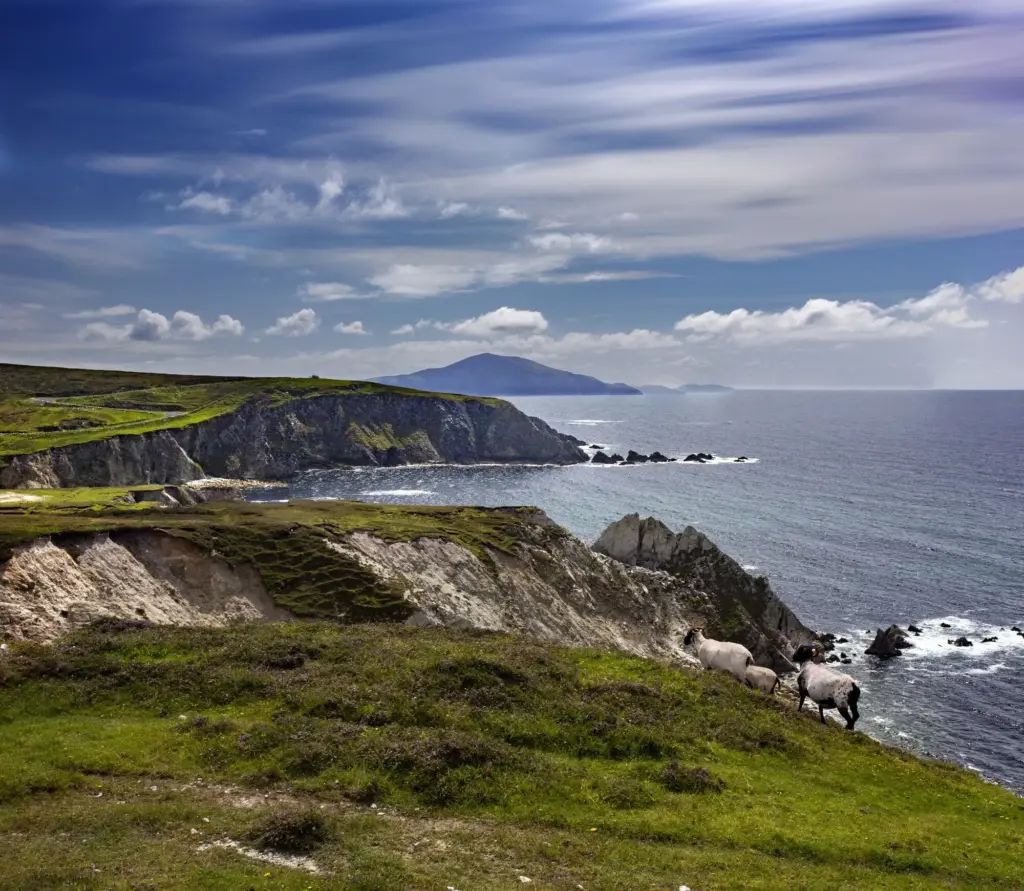
Prepared walkers enjoy more freedom. Check tide tables, swell reports, and local advisories before setting out, and respect signs about erosion or temporary diversions. Carry an OS map or app with offline tiles and know your grid reference. If trouble strikes, dial 999 and ask for the Coastguard, giving concise location details. Pack enough insulation to wait comfortably. Share your readiness checklist and help refine ours for safer coastal journeys together.

Tide, Swell, and Crumbling Earth

Even high cliffs feel the ocean’s mood. Large swell throws spray and salt, slicking paths and chilling hands. Heavy rain weakens soils, raising collapse risk at undercut edges; keep back from rims and obey closure signs. If a path feels newly narrow, turn around without debate. Photograph concerning spots for later reporting, never while standing near the margin. Knowledge of yesterday’s weather informs today’s judgment, especially after long, saturating storms.

If Something Goes Wrong

Call 999 and ask for the Coastguard. Share OS grid reference or precise app coordinates, describe injuries, hazards, and weather, then conserve battery. Use a whistle—six blasts repeated—to attract attention if visibility drops. Keep the group together in the most sheltered nearby spot, layer everyone warmly, and avoid cliff edges. Bright clothing, headtorches, and reflective details help responders. Afterwards, debrief kindly to capture lessons while experiences remain fresh and useful.

Stories from Windswept Days

Firsthand moments turn guidance into memory. Picture limestone glowing between showers, a sudden hailburst stinging cheeks, and laughter returning with the hiss of a poured thermos. Think of decisions made early—reroutes that felt wise rather than timid—and small comforts like a sit pad that saved warmth. These stories carry practical checklists inside them. Add your own in the comments, and subscribe for future field notes distilled from real, blustery miles.

A Blue Morning That Turned White with Spindrift

We started under bright skies, lulled by gentle flags in the car park. An hour later, spindrift whisked across the path as gusts rebounded off a headland, shoving us sideways. The radar showed thin showers sharpening; we cut inland using a marked track, found shelter by a hedgebank, and watched whitecaps bloom. That calm reroute salvaged the day, teaching us to trust early signs rather than the first pleasant miles.

Soup, Gorse, and a Saved Afternoon

When fingers numbed and chatter fell quiet, we ducked behind gorse, unfurled a tiny bothy, and poured steaming soup into cold hands. Laughter returned with warmth, and the map re‑opened to gentler options. That spare midlayer stayed on for the rest of the loop, while the wind raked harmlessly above. Comfort turned decision‑making kind again. Since then, we always pack two hot drinks and a sit pad on blustery forecasts.

Vaninexofaritarivarozento
Privacy Overview

This website uses cookies so that we can provide you with the best user experience possible. Cookie information is stored in your browser and performs functions such as recognising you when you return to our website and helping our team to understand which sections of the website you find most interesting and useful.